
In a world increasingly defined by speed and efficiency, the contrast between artisan and industrial production is sharper than ever. From the food we eat to the furniture we sit on and the clothes we wear, we constantly navigate a choice between what is made by hand and what is made by machine. Industrial production promises uniformity, accessibility, and lower cost; a practical solution to meet global demand. Yet, in that pursuit of perfection and abundance, something often gets lost: individuality, warmth, and the unmistakable mark of human craftsmanship.
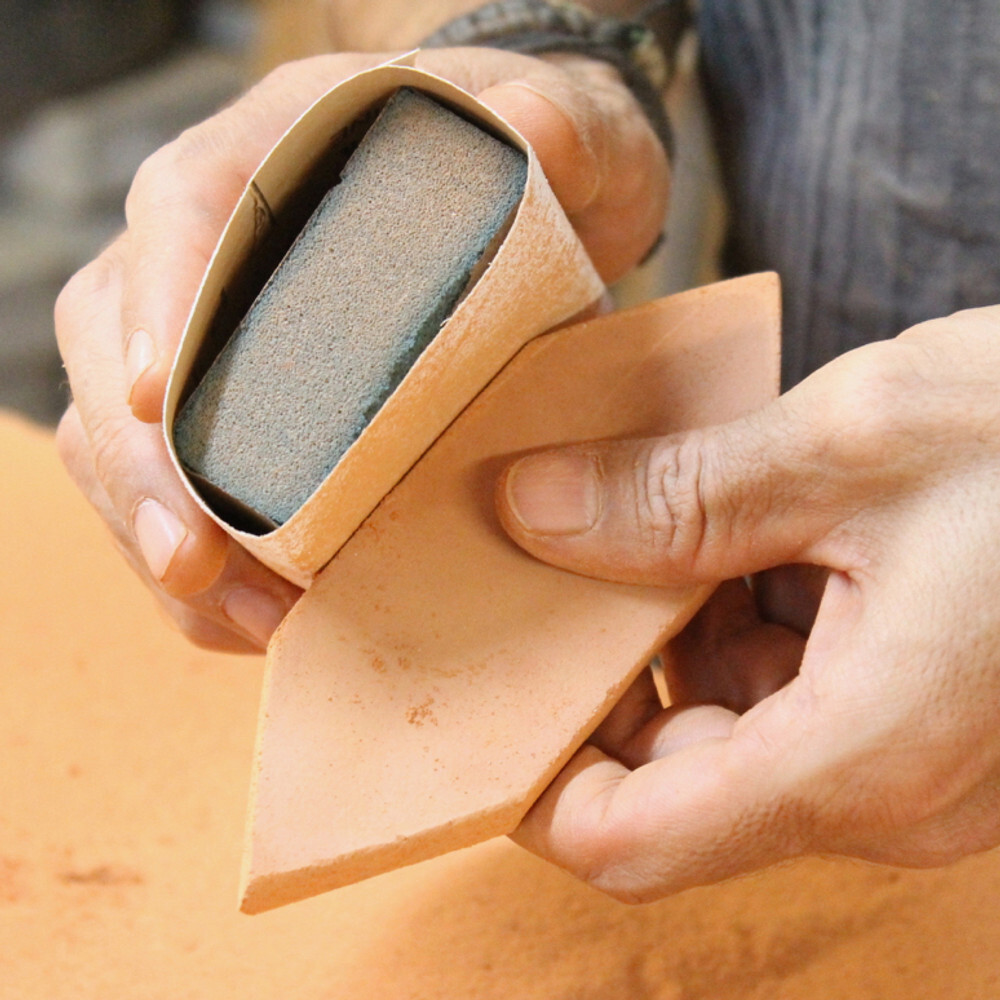
Artisan production, on the other hand, carries a different rhythm. It’s slower, deliberate, and deeply tied to tradition and skill. Whether it’s a loaf of naturally leavened bread, a hand-stitched leather chair, or a tailored linen shirt, each piece bears subtle variations that speak of process and care. These imperfections are not flaws; they are the soul of the object, reminders that it was made by someone, not something.
When surfaces tell a story
Nowhere is the contrast between artisan and industrial production more visible (or more tactile) than in ceramics. Tiles, in particular, embody this tension beautifully. Industrial tiles, produced by machines in large batches, achieve flawless consistency. Every tile is identical in tone, size, and texture, easy to install, predictable, and affordable. They are, in essence, safe.
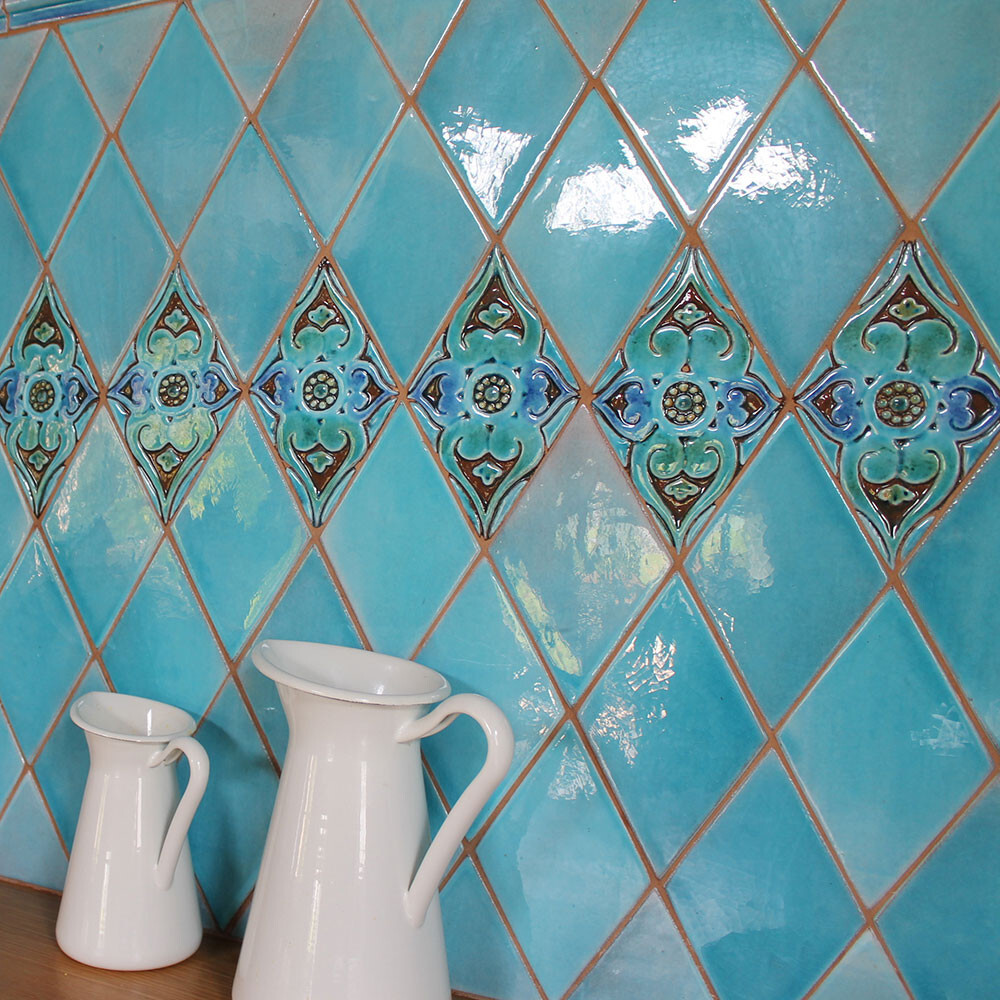
Artisan tiles, by contrast, are anything but predictable. Each one is slightly different in color, thickness, and finish. The glaze pools a little more in one corner, the brushstroke fades differently on another. These variations are the fingerprints of the maker and the fire of the kiln; the result of choices, materials, and moments that cannot be replicated. When laid out on a wall or floor, these subtle differences catch the light in unexpected ways, giving depth and warmth to a space. The result is not just a tiled surface, but a living one, one that feels personal, grounded, and real.
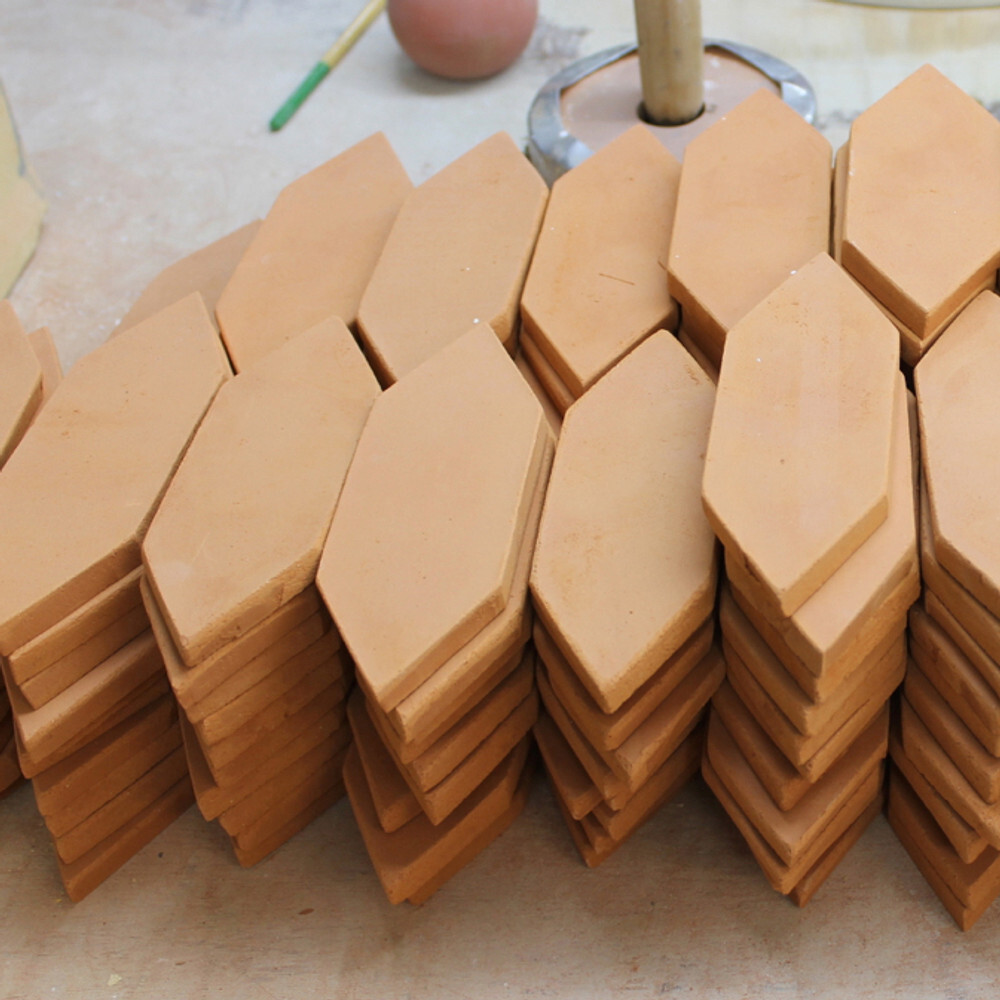
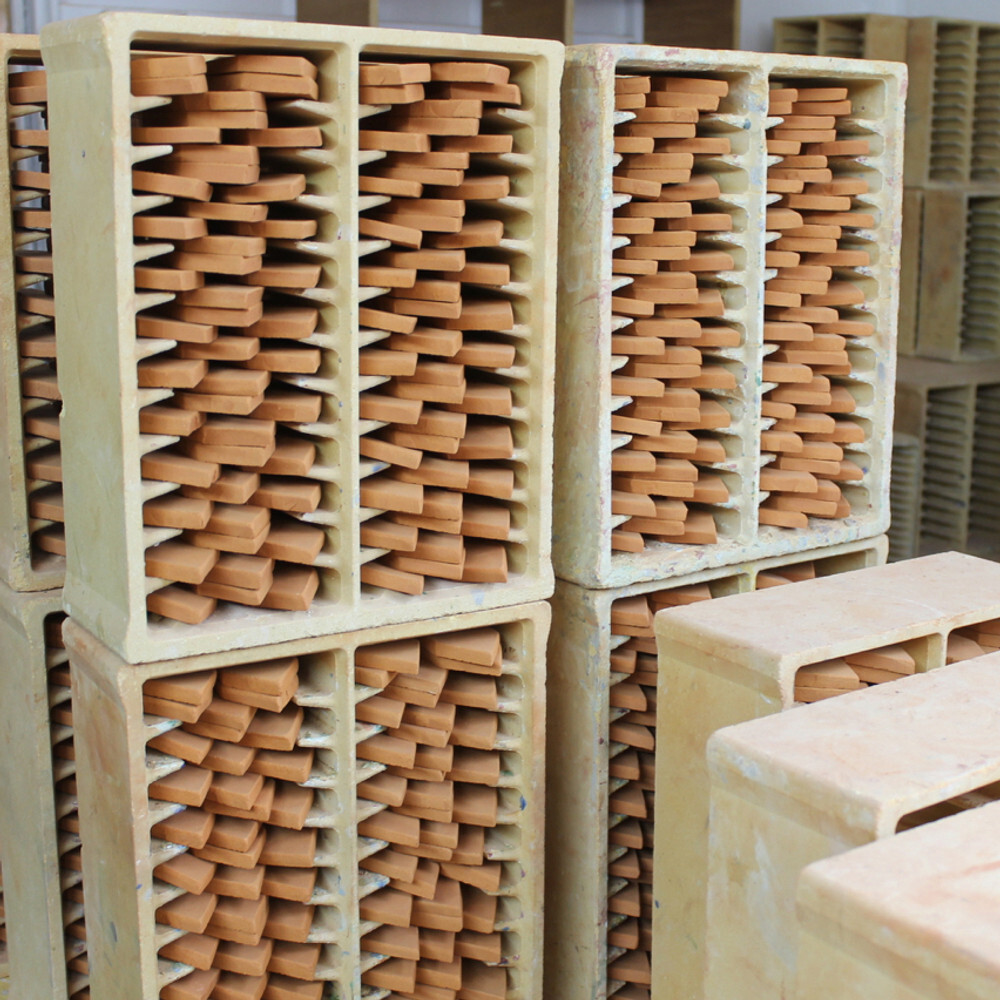
Choosing artisan tiles means choosing character over conformity. It’s about appreciating that beauty does not come from perfect repetition but from the harmony of differences. The tones, the glaze textures, the slight irregularities… all contribute to a sense of authenticity that industrial tiles can’t reproduce. They make a house feel cozy, lived-in, and full of quiet energy. It’s the difference between walking into a space that feels designed and one that feels *crafted*.

Of course, the most immediate argument in favor of industrial production is cost. For many projects, that can be a decisive factor. Yet, the question worth asking is: what are we really paying for? Industrial tiles are designed for volume, not longevity of spirit. They serve their function but rarely inspire connection.
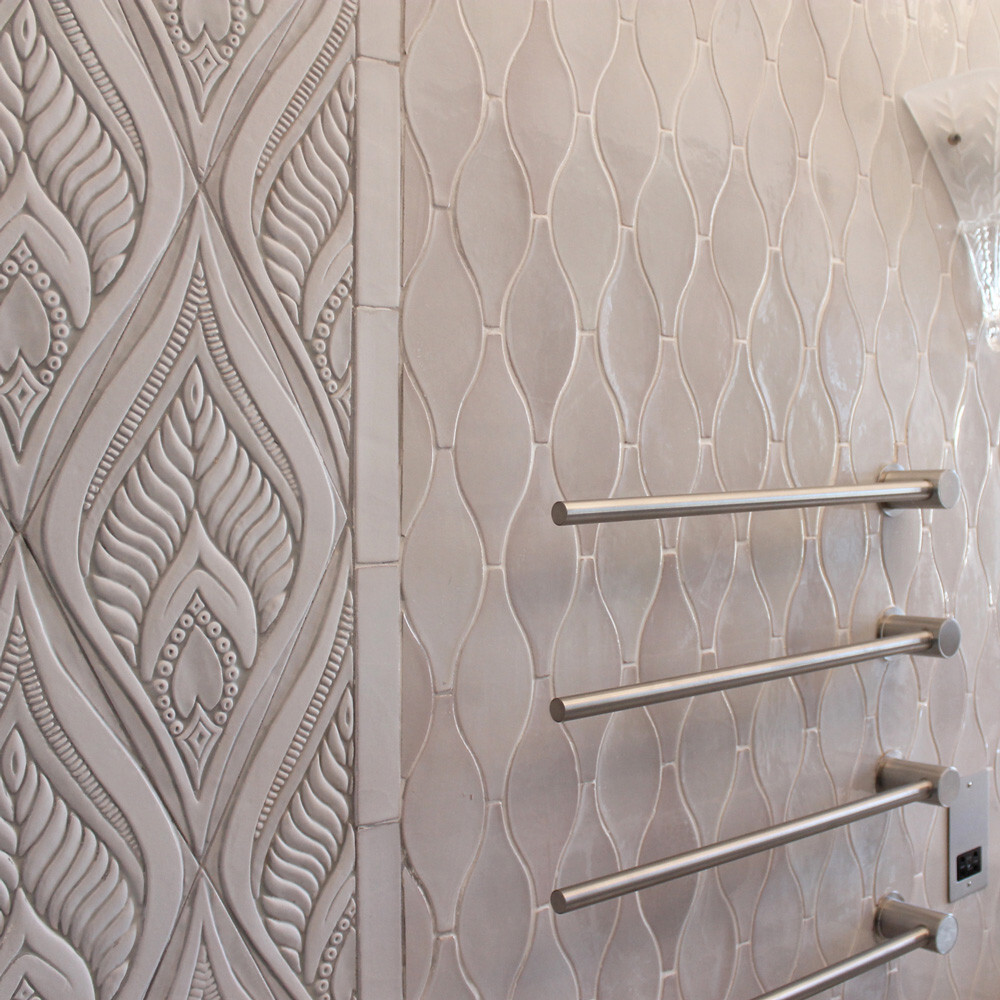
Artisan tiles, though more expensive upfront, are not a fast-consume product. They’re built and fired to last, both physically and emotionally. They can age gracefully, sometimes outliving their owners, gaining patina and history along the way. When you invest in handcrafted ceramics, you’re not just buying a surface; you’re investing in a story, one that adds lasting value to your home and your everyday life.
When everything can be produced, the choice to own something *made* is a quiet act of resistance, a way to reconnect with human scale, skill, and beauty. Whether it’s a loaf of bread, a wool sweater, or a hand-glazed tile, artisan work reminds us that perfection is not sameness. It’s the art of making something deeply, enduringly human.